Home Buying, Market Intelligence, Real Estate News
The 2025 Canadian Election: What’s at Stake for Real Estate?
Read more

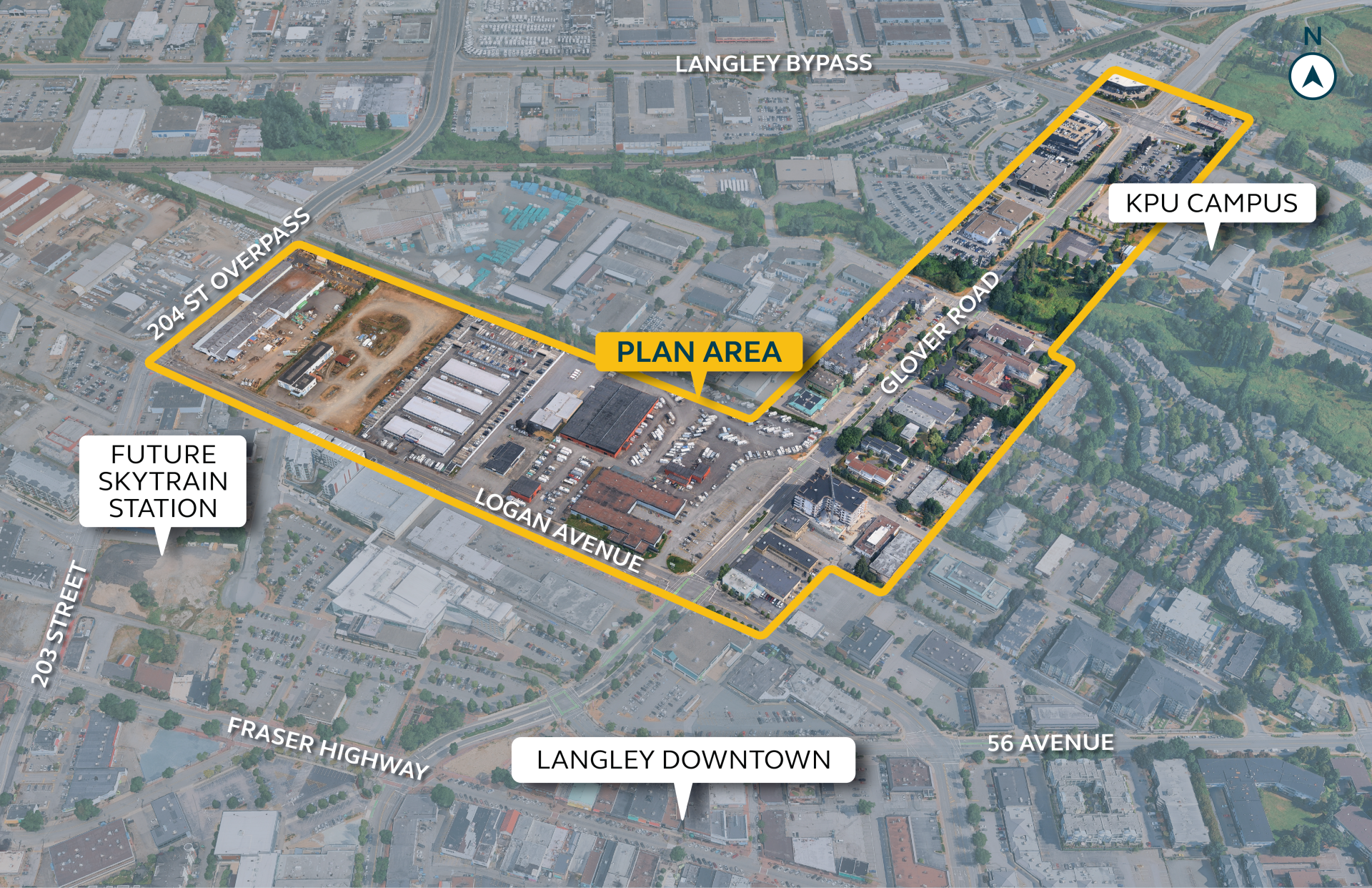
At its core, Langley City’s proposed innovation district is an L-shaped planning zone stretching near Kwantlen Polytechnic University (KPU) and Logan Avenue west toward 204 Street.
The intent is to create a cohesive neighbourhood where people can:
This district would sit steps from the future Langley City Centre SkyTrain station—a pivotal regional transit anchor that is expected to open as part of the Metro Vancouver SkyTrain Expo Line extension by 2029.
Instead of ad-hoc development, Langley City plans to deliberately coordinate:
The city has retained a global urban design firm to lead this next planning phase.
This isn’t just zoning – it’s place-making.

Innovation districts have become a hallmark of ambitious mid-sized cities that want to attract jobs, knowledge workers, and sustainable economic growth. Successful examples include districts in Surrey (Innovation Boulevard), Vancouver (False Creek Flats), and even larger North American tech hubs like Raleigh and Boston.
Research from institutions like the Brookings Institution shows the most successful districts have three core elements:
Langley’s vision is to replicate these conditions at a local scale – anticipating not just density, but a catalyst for job creation, talent attraction, and sustained investment.

Two factors give this strategy real teeth:
🚆 SkyTrain
The planned Langley City Centre SkyTrain station as part of the Surrey–Langley Expo Line extension situates the innovation district around high-capacity transit, a proven driver of land value and property demand.
Transit-oriented development (TOD) consistently shifts how markets value nearby land, boosting densities, lowering parking cost burdens, and increasing investment interest.
🎓 Kwantlen Polytechnic University
Aligning the city’s OCP with KPU’s campus plan strengthens the ecosystem. The proposed innovation district would leverage KPU’s research, student population, and potential anchor institutions – including plans for a research and innovation centre framed around collaboration.
Universities are globally recognized as engines of local economic growth and talent retention, adding credibility to Langley City’s aspirations.

The innovation district is not just a plan — it’s a framework that could change how Langley City’s real estate market functions over the next decade.
Here’s how:
📈 1. Land Near Transit and Innovation Gains Premium Valuation
Properties adjacent to the planned transit hub and district boundaries may see stronger repricing earlier than more peripheral areas – especially as developers and investors begin to price in future demand for office, residential, and mixed-use space.
🏙️ 2. Broader Use Mix Could Support Long-Term Market Stability
Unlike communities relying predominantly on residential growth, an innovation district supports jobs, research, education, and housing together, which often leads to more balanced markets with reduced volatility.
🧠 3. Attraction of Employers and Start-Ups
With a defined innovation zone, Langley City is signaling that it wants businesses to locate here, not just residents. That shift can attract companies that decide where to locate based on planning certainty and access to talent.

Langley City is actively seeking input on the draft plan, with public meetings scheduled and feedback windows open.
Public participation is essential to:
Following engagement, council will receive a report that could shape how the district moves from vision to implementation.

The innovation district signals that Langley City is thinking strategically about its future – aiming to transform from a largely residential node into a regional centre of economic activity.
While the district won’t instantly reshape the community, it:
This positions Langley City not just as “the next SkyTrain stop,” but as a destination for investment, talent, and sustainable urban growth.
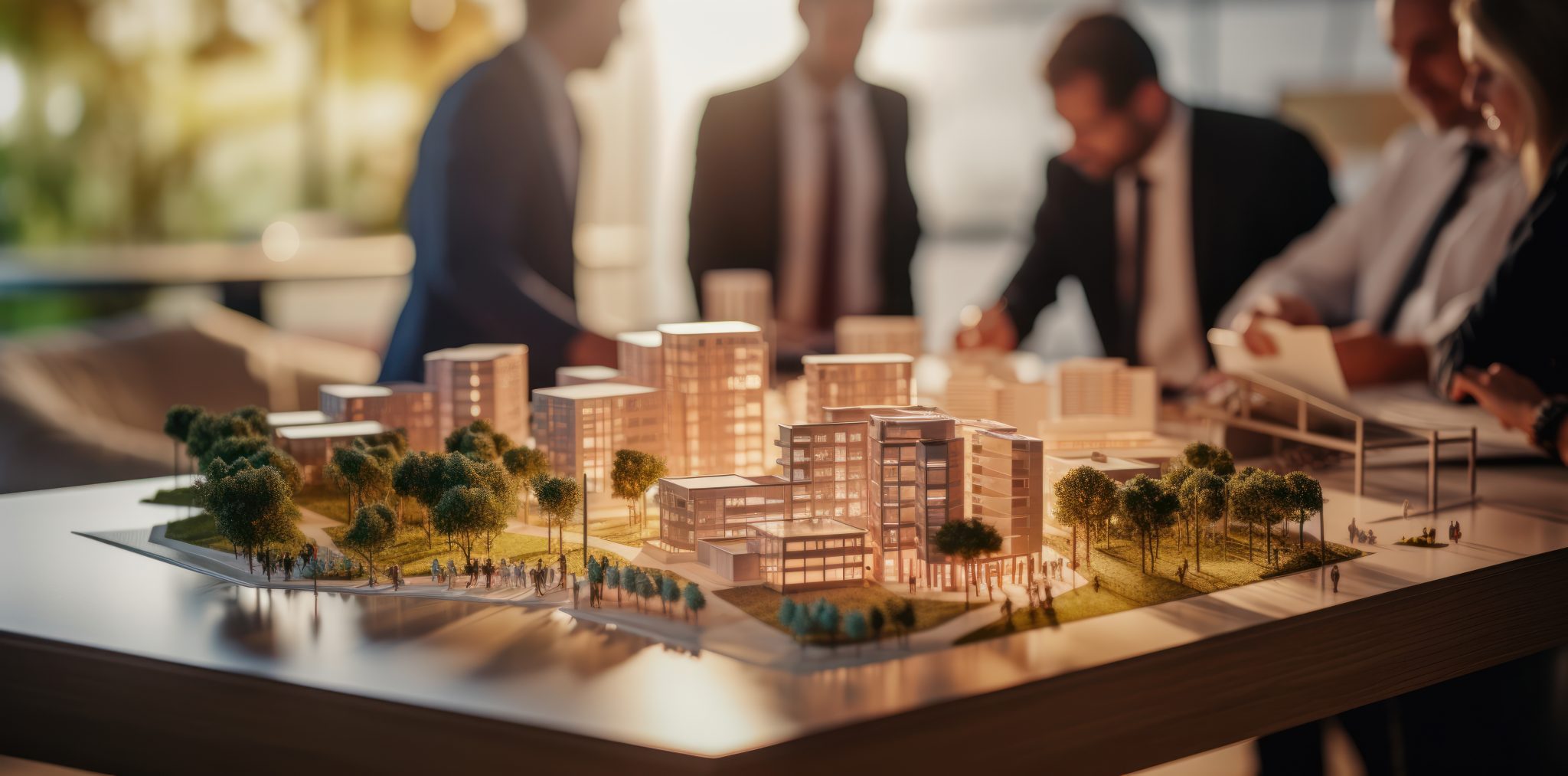
Langley City’s innovation district plan is more than a zoning exercise – it’s a forward-looking play to harness transit, education, and thoughtful urban design as engines of economic and real estate evolution.
For investors, developers, and residents alike, this moment marks a shift from speculation to strategy, where careful planning could unlock enduring value, jobs, and community vibrancy.
Stay tuned as public feedback and policy refinement guide the next steps in turning this vision into reality.
*See sales team for details
Home Buying, Market Intelligence, Real Estate News
Home Buying, Market Intelligence, Real Estate News, Your Next Home
Home Buying, Market Intelligence, Real Estate News, Your Next Home